
Trinidad & Tobago
Twin islands where calypso, steelpan, and carnival built one of the most distinct cultures in the Caribbean.
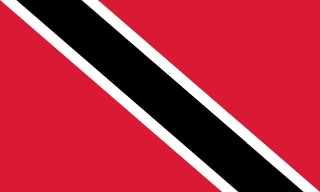
On August 31, 1962, Eric Williams, a historian turned Prime Minister, stood at the head of a brand new nation forged from two islands with very different histories, one built on oil and cocoa, the other on quiet beaches and fishing villages. He had spent years insisting that education, not old colonial hierarchies, would carry his country forward, and that night the country carried itself into full independence.
The motto adopted that same year, "Together We Aspire, Together We Achieve," still sits on the national coat of arms. It captures something bigger than one island or one people, that a country built from African, Indian, European, Chinese, and Indigenous roots moves forward by pulling together, not apart, the same common ground this whole project stands on.
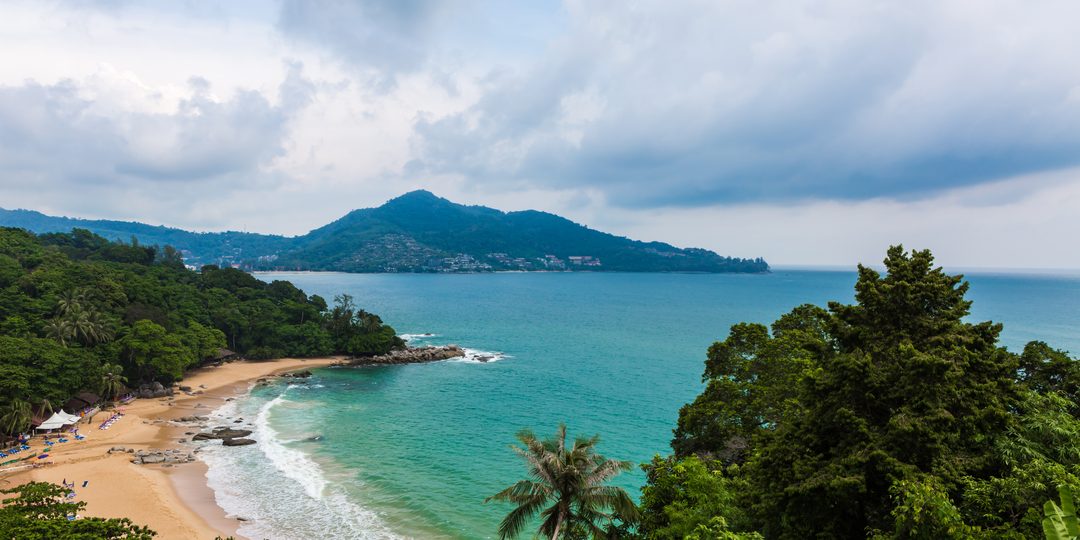
Get to Know Trinidad & Tobago
Capital: Port of Spain. Official language: English. Currency: Trinidad and Tobago dollar. Independence: August 31, 1962.
Fun Facts
- Trinidad and Tobago is the birthplace of steelpan, the only major acoustic instrument invented in the twentieth century.
- Its Carnival, held every year before Lent, is considered one of the largest and oldest carnival celebrations in the world.
- The Pitch Lake in La Brea is the largest natural deposit of asphalt on earth.
- Tobago's Main Ridge Forest Reserve, protected since 1776, is the oldest legally protected forest reserve in the Western Hemisphere.
Why Visit
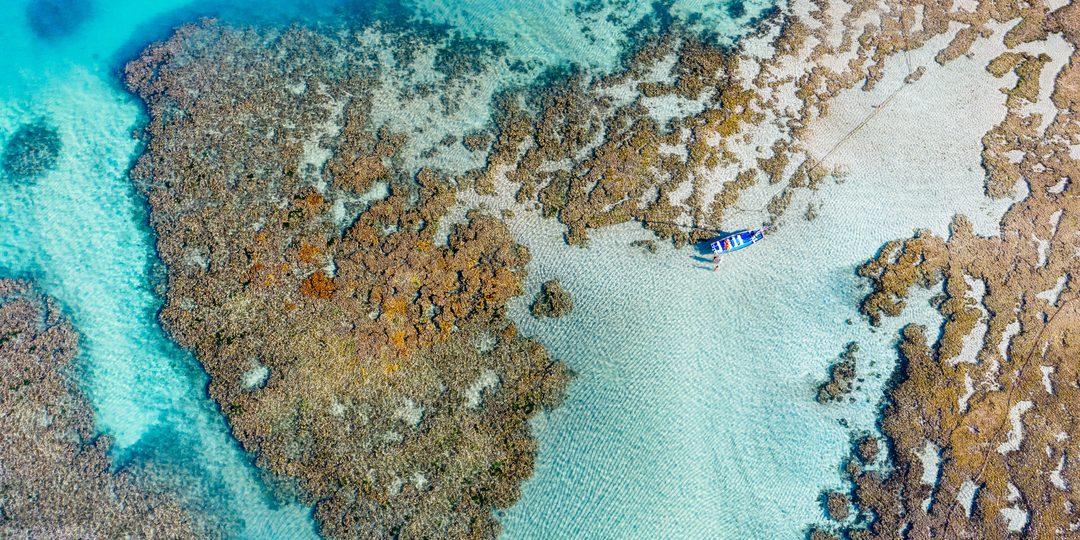
Tobago's coral reefs and quiet beaches, especially around Pigeon Point and Buccoo Reef, draw travelers seeking a slower Caribbean pace. Trinidad's Carnival fills Port of Spain with music, costume, and steelpan every year before Lent, one of the most electric celebrations anywhere in the hemisphere. The Caroni Bird Sanctuary offers evening boat trips to watch thousands of scarlet ibis return to roost.
Trinidad and Tobago's dry season, January through May, is the most popular time to visit.
Made in Trinidad & Tobago
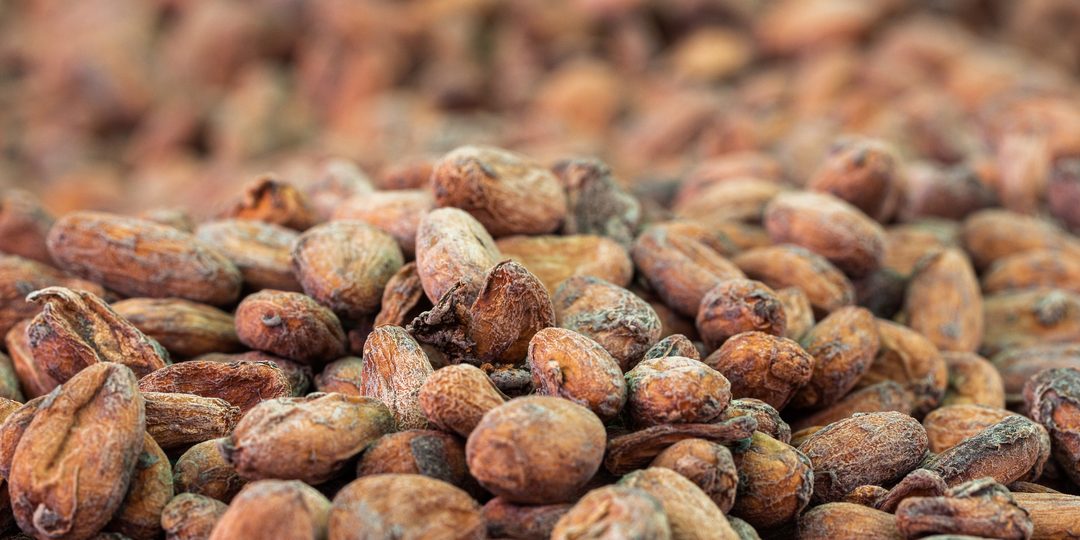
Trinidad and Tobago's economy is anchored by oil and natural gas, alongside cocoa long prized for its flavor, Angostura bitters, and a steelpan and music export culture felt across the Caribbean and beyond.
This space is reserved for a future Local Marketplace Spotlight, featuring Trust Standard certified businesses once that pillar of the Americas Ecosystem exists. Soon.