Suriname
A rainforest nation on the Atlantic, where Dutch, Javanese, Hindustani, and Maroon traditions share one small country.
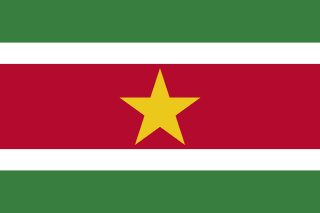
On November 25, 1975, Prime Minister Henk Arron stood before a nation of just a few hundred thousand people, drawn from the Netherlands, West Africa, India, Java, and the Amazon itself, and watched it become fully independent. Few countries in the hemisphere hold as many distinct cultures inside one small population, all choosing, that day, to build a shared future together.
Suriname's coat of arms, adopted the same year, carries the motto "Justitia, Pietas, Fides," Justice, Piety, Fidelity. It is a promise stitched into the country's founding document, that a nation built from so many different peoples holds together on shared values, not sameness, the same common ground this whole project stands on.
Get to Know Suriname
Capital: Paramaribo. Official language: Dutch (Sranan Tongo and several other languages widely spoken). Currency: Surinamese dollar. Independence: November 25, 1975.
Fun Facts
- Suriname is the smallest sovereign country in South America by both area and population.
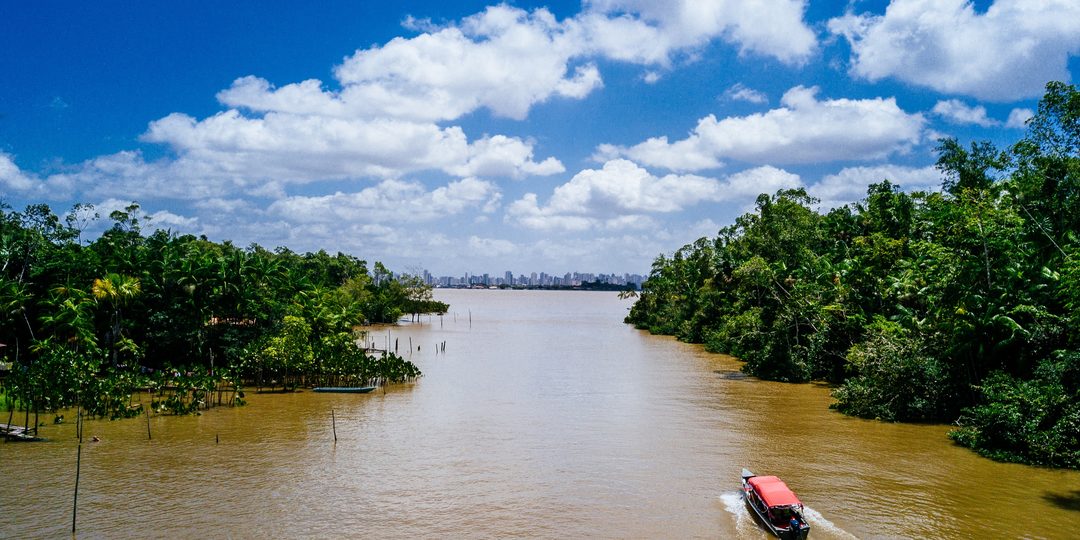
- CMore than 90 percent of Suriname is covered by rainforest, among the highest forest cover of any nation on earth.
- Paramaribo's historic inner city is a UNESCO World Heritage Site, its wooden colonial architecture unlike anywhere else in South America.
- Suriname is one of the most ethnically diverse countries in the Americas, home to Creole, Hindustani, Javanese, Maroon, Indigenous, Chinese, and Dutch communities.
Why Visit
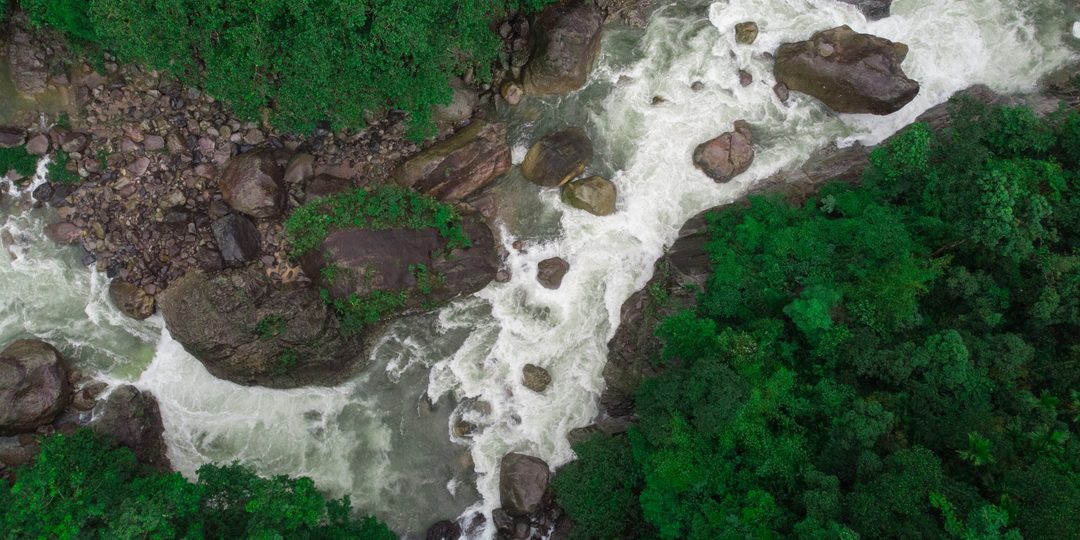
The Central Suriname Nature Reserve protects untouched Amazonian rainforest, home to jaguars, giant river otters, and hundreds of bird species, one of the largest protected rainforest areas in the world. Paramaribo's Waterkant waterfront and UNESCO listed inner city mix Dutch colonial buildings with mosques and synagogues standing side by side. The Suriname River offers boat trips upriver to Maroon and Indigenous villages living close to traditions centuries old.
Suriname's dry season, roughly February through April and mid August through November, is the easiest time to visit the interior.
Made in Suriname
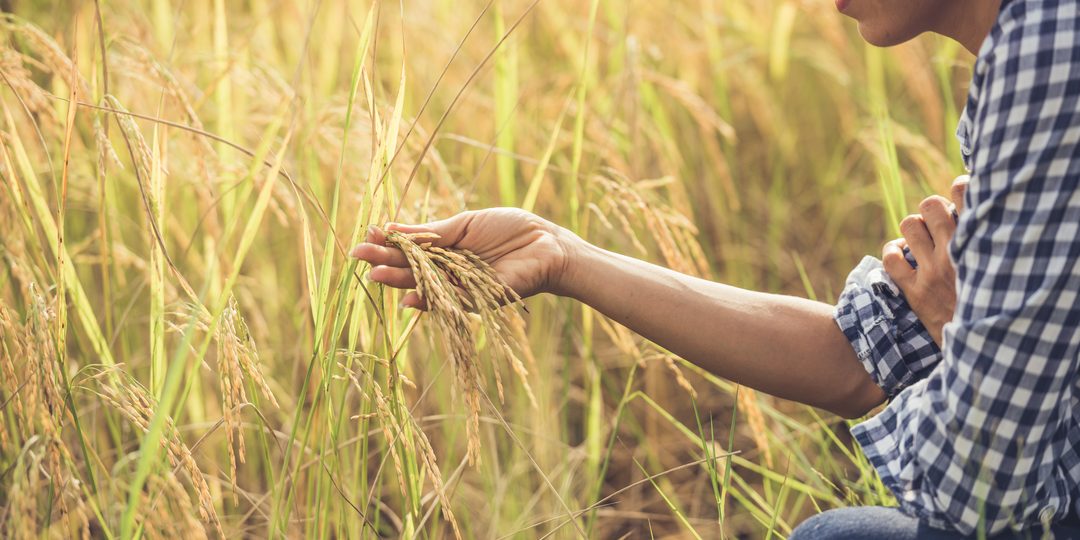
ASuriname's economy runs on bauxite and gold mining, rice, bananas, and timber, alongside a small but growing coffee and cacao sector rooted in its rainforest interior.
This space is reserved for a future Local Marketplace Spotlight, featuring Trust Standard certified Surinamese businesses once that pillar of the Americas Ecosystem exists. Soon.