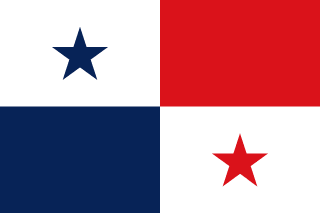
Panama
A narrow isthmus joining two oceans, and a nation that has connected the Americas for more than a century.
In 1826, Simón Bolívar convened the Congress of Panama in Panama City, inviting the newly independent nations of the hemisphere to sit at one table and imagine themselves as neighbors rather than rivals. The full union he dreamed of was never ratified, but the idea that this isthmus could be a meeting place for the whole Americas took root and never fully left.
Panama's national motto, "Pro Mundi Beneficio" (For the Benefit of the World), reflects a country that has spent more than a century linking oceans and economies for the world's benefit, not only its own. It is a small phrase carrying the same common ground this whole hemisphere shares.
Get to Know Panama
Capital: Panama City. Official language: Spanish. Currency: the balboa, tied 1 to 1 with the US dollar, which also circulates everywhere. Panama's canal, opened in 1914, passed to full Panamanian control in 1999.
Fun Facts
- Panama is the only country where you can watch the sun rise over the Pacific and set over the Atlantic, thanks to the isthmus's curve.
- The famous "Panama hat" was actually woven first in Ecuador. It got its name after canal workers wore them in the early 1900s.
- Panama City is the only capital in the world with a tropical rainforest inside its city limits.
- With more than 1,000 recorded species, Panama is home to more birds than the United States and Canada combined.
- The balboa currency is named for Vasco Núñez de Balboa, the first European to see the Pacific Ocean from the Americas.
Why Visit
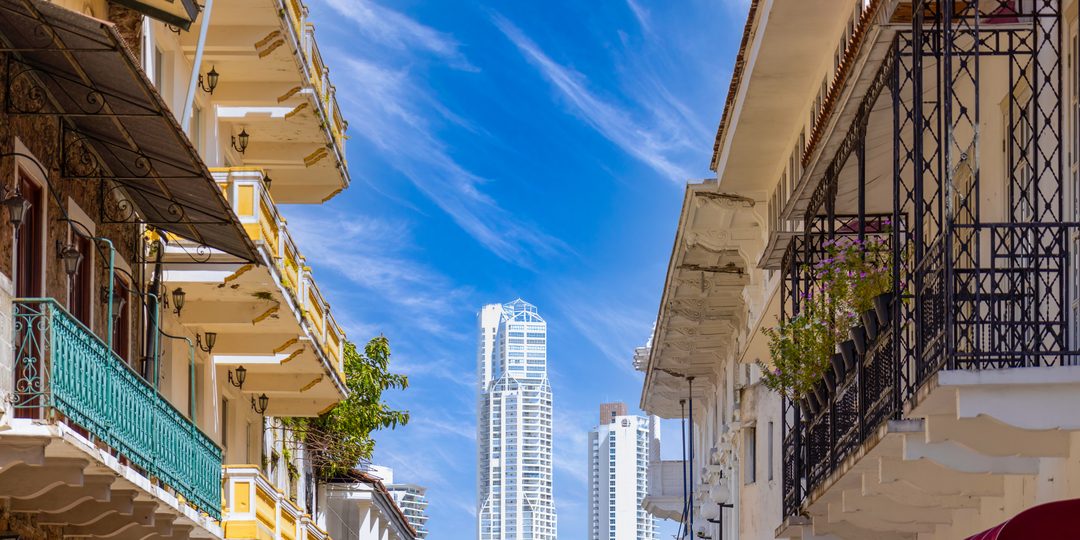
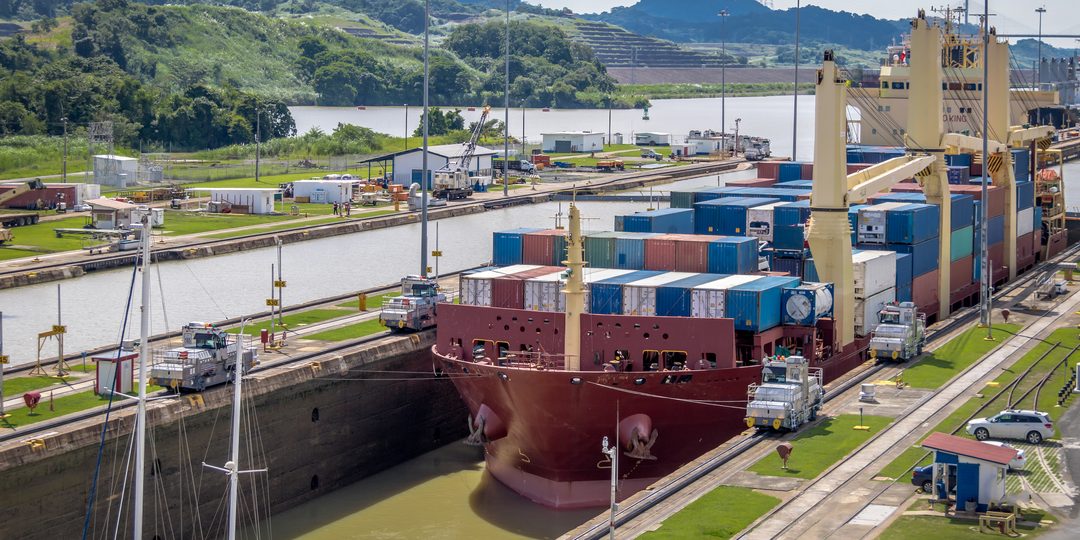
Panama draws travelers who want two oceans in one day. The Panama Canal remains one of the great feats of engineering anywhere, with cargo ships passing within sight of rainforest still thick with monkeys and toucans. Beyond the canal, the country offers cloud forest coffee towns like Boquete, colonial Casco Viejo in Panama City, and the car free San Blas islands, where the Guna people welcome visitors to some of the clearest water in the Caribbean.
Made in Panama
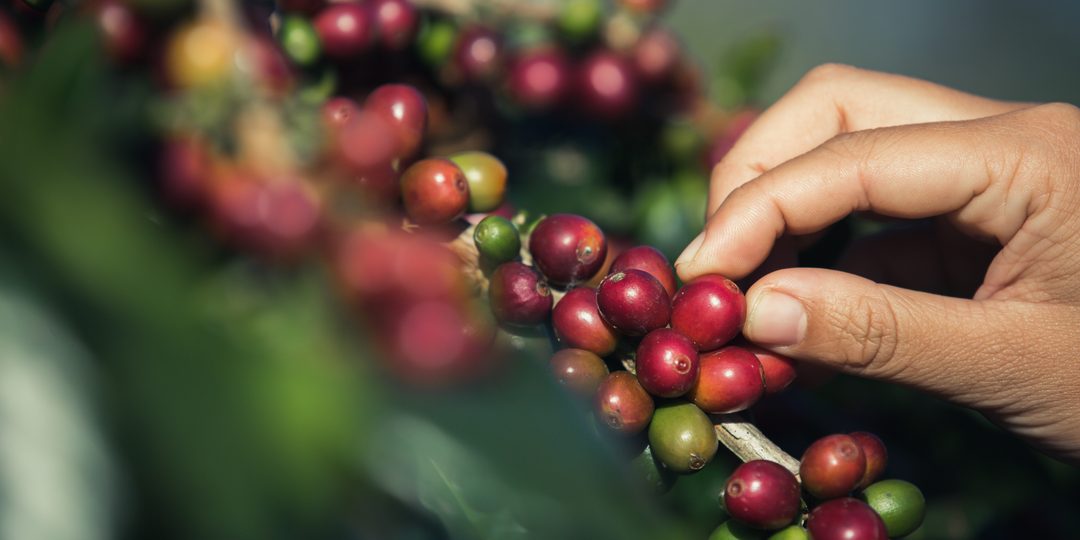
Panama is known for Geisha coffee grown in the highlands of Boquete, some of the most prized coffee in the world, along with handwoven Guna mola textiles and its role as a global shipping and logistics hub. This space is reserved for a future Local Marketplace Spotlight, featuring Trust Standard certified Panamanian businesses once that pillar of the Americas Ecosystem exists. Soon.