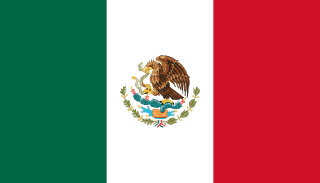
Mexico
From ancient pyramids to Pacific and Caribbean coasts, a nation whose culture has shaped the whole hemisphere.
Benito Juárez, born in a small Zapotec village in Oaxaca in 1806, rose to become Mexico's first Indigenous president and one of its most enduring leaders. He guided the country through foreign invasion and civil war, insisting throughout that Mexico's sovereignty, and that of every nation, was worth defending.
"El respeto al derecho ajeno es la paz," Juárez wrote after Mexico City was reclaimed in 1867 ("Respect for the rights of others is peace"). That belief, that sovereign nations owe each other respect rather than domination, is the same common ground Strong Americas is built on today.
Get to Know Mexico
Capital: Mexico City. National language: Spanish, alongside 68 recognized Indigenous languages. Currency: Mexican peso. Mexico's independence movement began with the Grito de Dolores on September 16, 1810, still celebrated as the country's independence day.
Fun Facts
- Mexico is home to 35 UNESCO World Heritage Sites, more than any other country in the Americas.
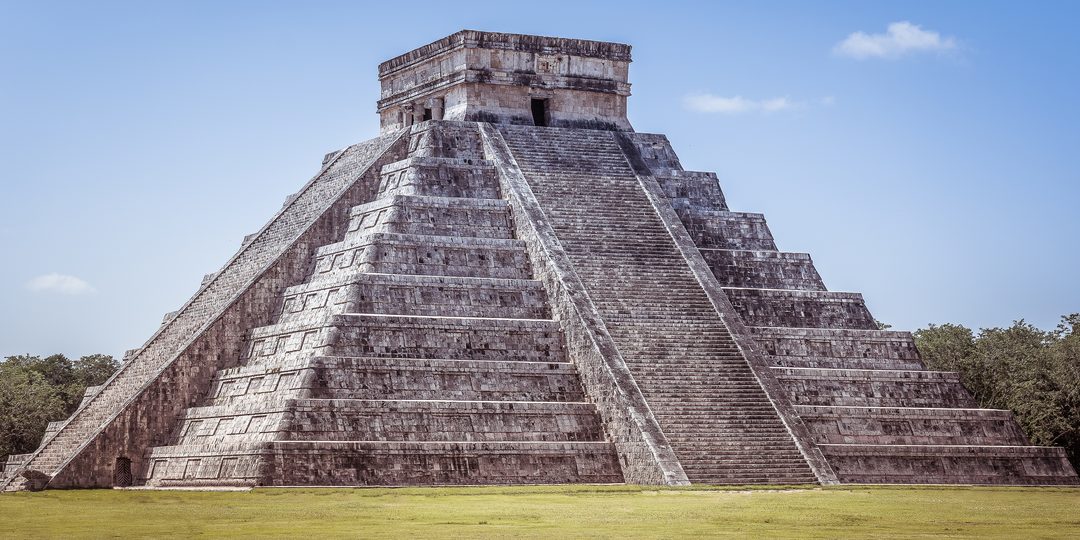
- Chichén Itzá's pyramid, El Castillo, was named one of the New Seven Wonders of the World in 2007.
- Millions of monarch butterflies migrate to Mexico's central forests every winter, turning entire pine groves orange.
Why Visit
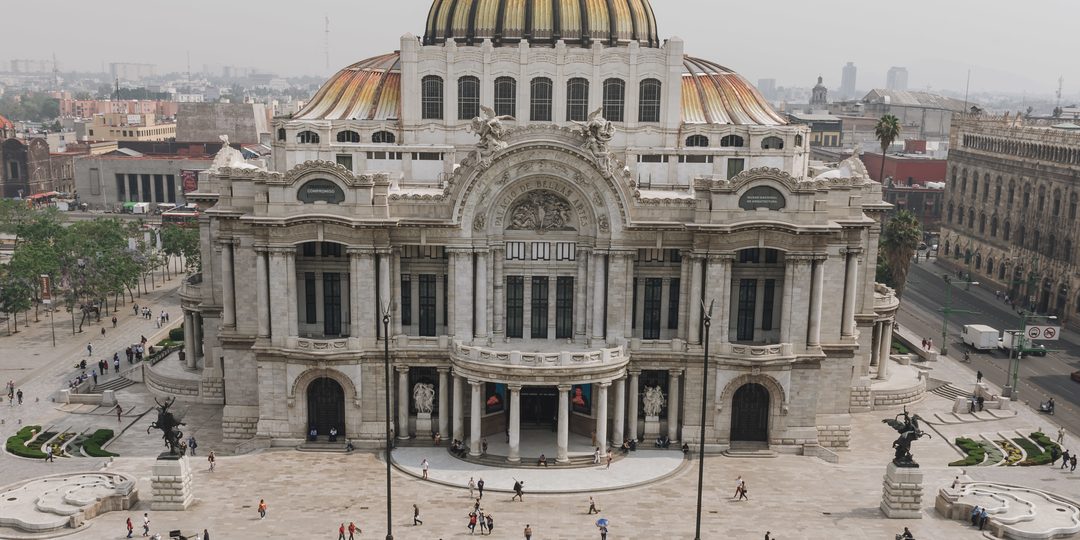
From the ruins of Chichén Itzá and Teotihuacán to the beaches of the Riviera Maya and the colonial streets of Oaxaca and San Miguel de Allende, Mexico pairs deep history with landscapes that shift from desert to jungle to coastline. Mexico City's museums, markets, and centuries old cathedrals give visitors a capital as layered as the country itself.
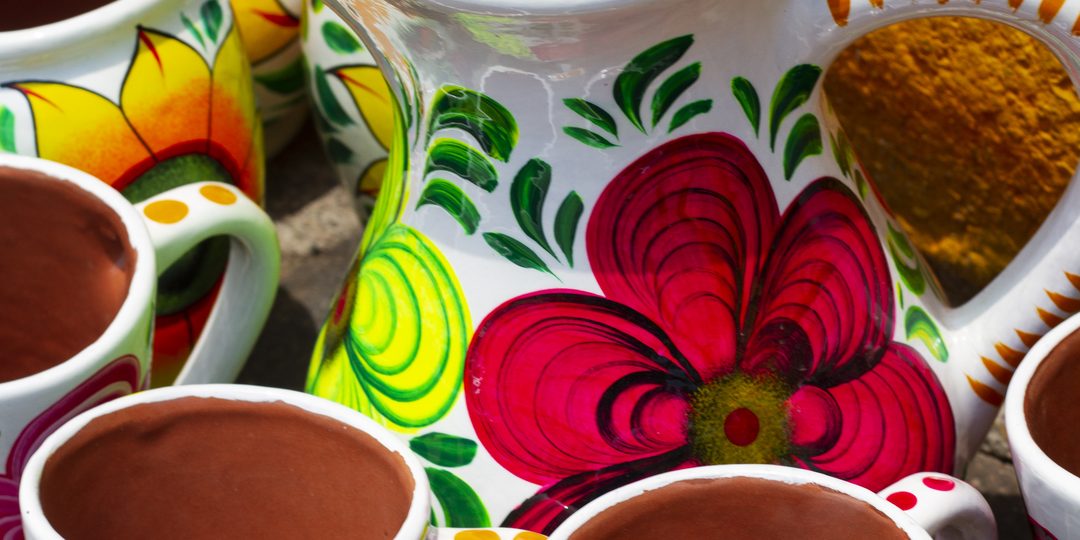
Made in Mexico
Mexican tequila, mezcal, and Talavera pottery travel the world, from the blue agave fields of Jalisco to Taxco's storied silversmiths and Oaxaca's hand painted ceramics. This space is reserved for a future Local Marketplace Spotlight, featuring Trust Standard certified Mexican businesses once that pillar of the Americas Ecosystem exists. Soon.