Cuba
An island of colonial streets, classic cars, and music that never stops.
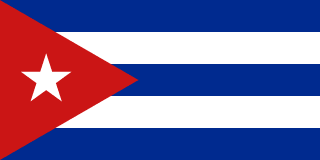
Cuba's fight for independence from Spain was led in spirit by José Martí, a poet and revolutionary who is remembered as the country's national hero. He died in 1895 during the War of Independence, three years before Cuba's independence was achieved.
Among Martí's enduring words is the phrase "Ser cultos para ser libres" ("To be educated is to be free"), a belief in learning as the root of independence. It is an idea every country in this hemisphere has built a school system around, in its own language and its own way.
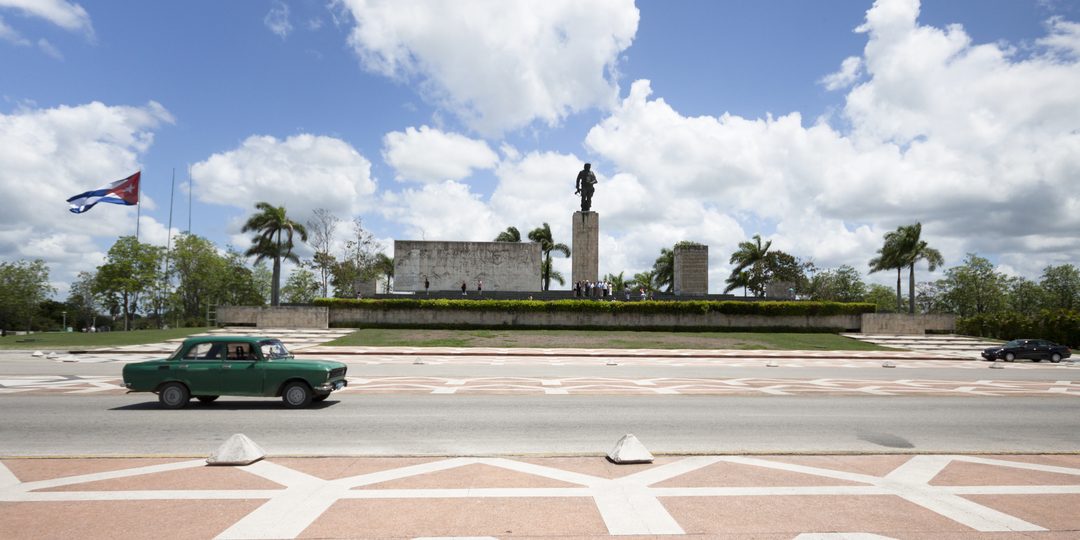
Get to Know Cuba
Capital: Havana. Official language: Spanish. Currency: Cuban peso. Cuba's independence from Spain was recognized in 1902, following a war led in spirit by national hero José Martí.
Fun Facts
- Cuba is the largest island in the Caribbean.
- Old Havana's colonial architecture is a UNESCO World Heritage Site.
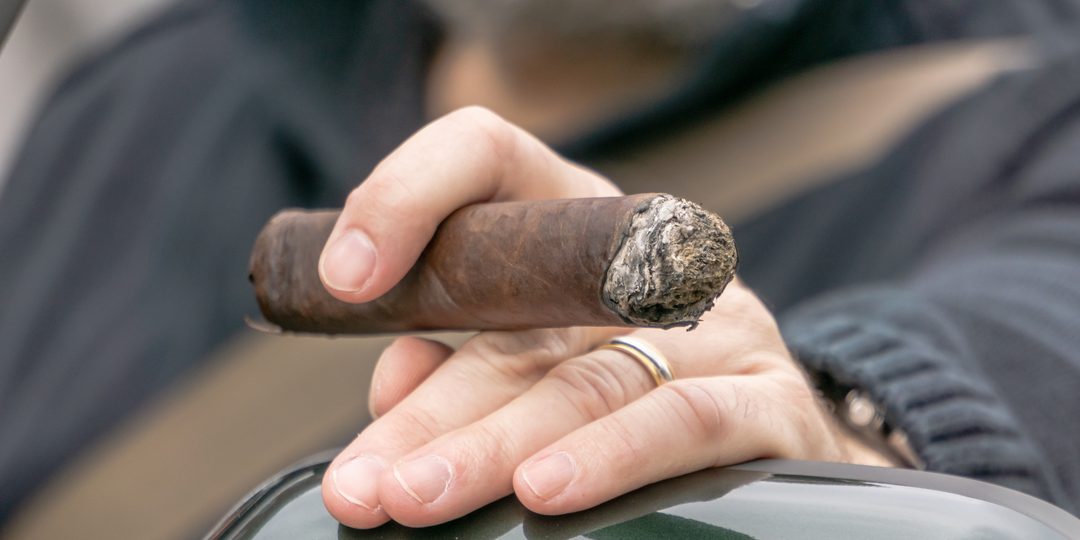
- Cuba is known worldwide for its cigars, rum, and the son music that helped give rise to salsa.
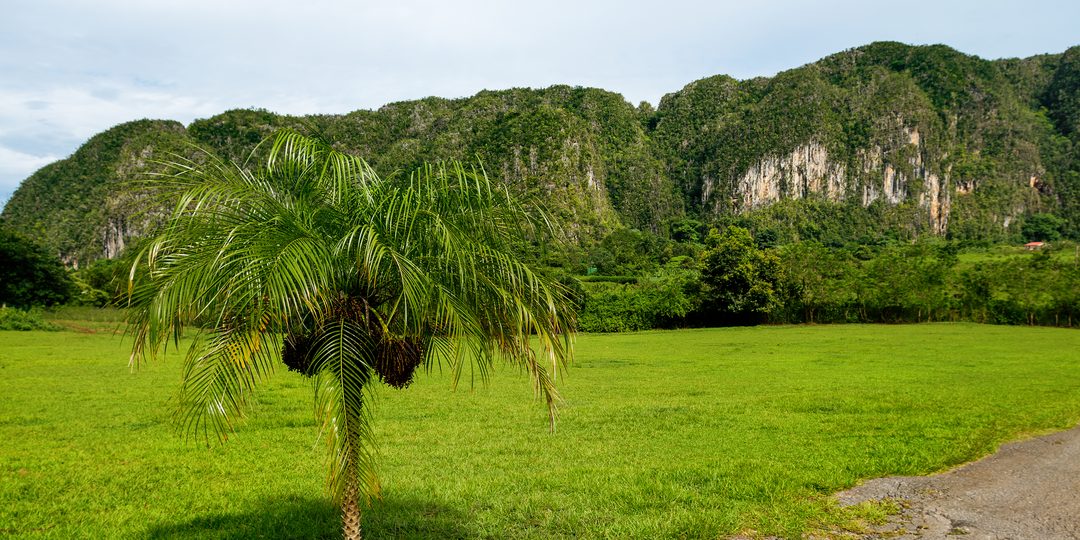
Why Visit
Cuba offers a rare mix of colonial architecture, classic cars, and Caribbean coastline all in one country. Visitors can wander the cobblestone streets and pastel buildings of Old Havana, relax on the white sand beaches of Varadero, explore the tobacco valleys of Viñales, or dance to live son and salsa echoing from open doorways. Add a soundtrack of decades old music and a slower pace of life, and Cuba offers an unforgettable step back in time.
Made in Cuba
Cuba is known worldwide for its cigars, rum, and coffee, products grown in the island's fertile valleys and perfected over generations. This space is reserved for a future Local Marketplace Spotlight, featuring Trust Standard certified Cuban businesses once that pillar of the Americas Ecosystem exists. Soon.