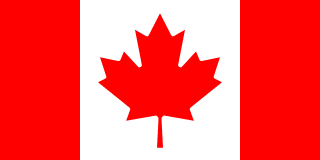
Canada
From the Atlantic to the Pacific to the Arctic, one nation spans an entire continent.
Canada's Confederation in 1867 united several British colonies into one dominion, led by Sir John A. Macdonald, who became the nation's first prime minister. The event marked the beginning of Canada's path toward full nationhood.
The national motto, "A Mari Usque Ad Mare" ("From Sea to Sea"), was adopted at Confederation and speaks to a country stretching across an entire continent. From sea to sea is Canada's own way of saying what every country in this hemisphere already knows, that we are one neighborhood worth reaching across.
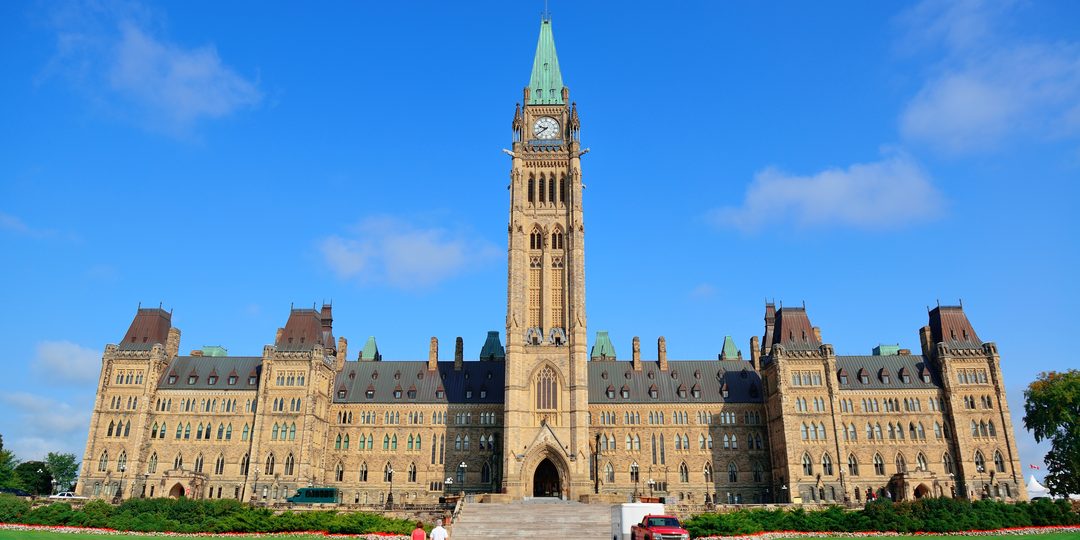
Get to Know Canada
Capital: Ottawa. Official languages: English and French. Currency: Canadian dollar. In 1867, the British North America Act united four provinces into the Dominion of Canada, with Sir John A. Macdonald as its first prime minister.
Fun Facts
- Canada has the longest coastline of any country in the world.
- Canada is home to more lakes than the rest of the world combined.
- Canada produces most of the world's maple syrup, largely from Quebec.
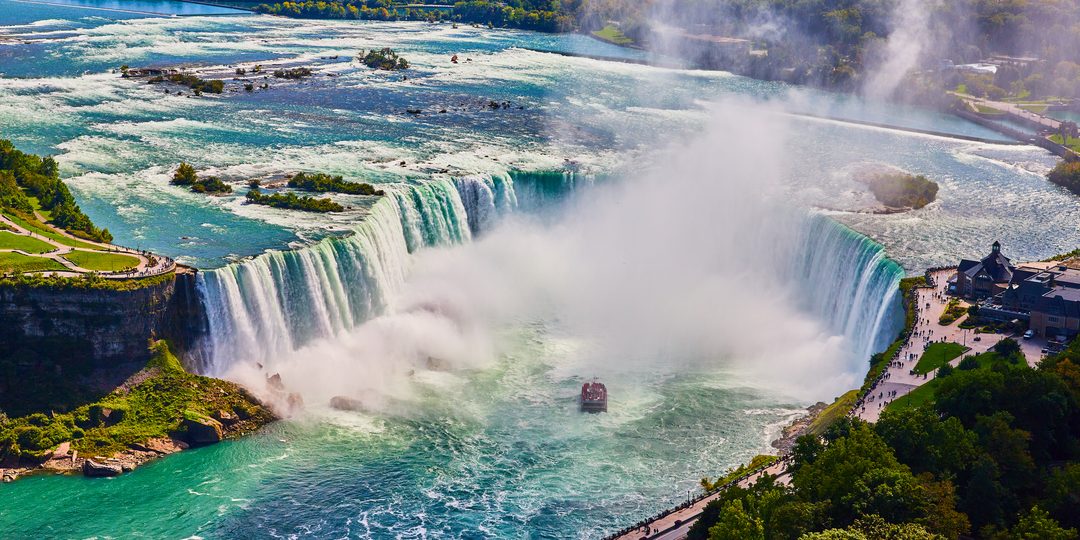
Why Visit
Canada stretches from the Atlantic to the Pacific to the Arctic, offering some of the most dramatic landscapes in the world. Visitors can explore the turquoise lakes and peaks of Banff National Park, walk among the skyscrapers and cultures of Toronto, watch the tides roll into the Bay of Fundy, or stand before the roaring waters of Niagara Falls. Add the northern lights dancing over the Yukon, and Canada offers an unforgettable introduction to the far north of the Americas.

Made in Canada
Canada is known for maple syrup, timber and lumber products, wheat and grain exports, and mining industries including nickel and potash. This space is reserved for a future Local Marketplace Spotlight, featuring Trust Standard certified Canadian businesses once that pillar of the Americas Ecosystem exists. Soon.