Nicaragua
The land of lakes and volcanoes, where poetry and colonial cities meet a wild Caribbean coast.
Rubén Darío, born in a small Nicaraguan town in 1867, became the father of Spanish American literary modernism, a movement that reshaped poetry across the entire Spanish speaking world. From one of Central America's smallest nations, his verses reached readers from Mexico to Argentina, giving Nicaragua an outsized voice in the region's culture.
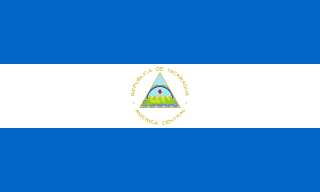
Nicaragua's own coat of arms carries a quieter version of that same idea: five volcanoes standing together beneath a single rainbow, representing the union and brotherhood of the five nations of Central America. That same spirit, that neighboring countries share more by standing together than by standing apart, is the common ground Strong Americas carries into every corner of the hemisphere.
Get to Know Nicaragua
Capital: Managua. Official language: Spanish, with English and Miskito widely spoken on the Caribbean coast. Currency: Nicaraguan córdoba. Nicaragua declared independence from Spain on September 15, 1821, alongside the rest of Central America.
Fun Facts
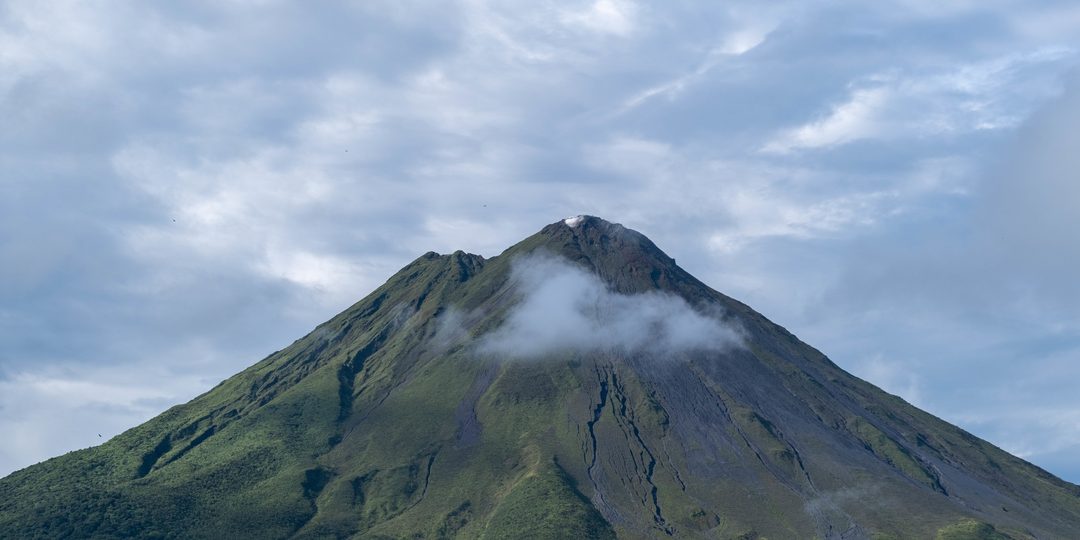
- Lake Nicaragua is the largest lake in Central America and one of the few freshwater lakes on Earth that is home to bull sharks.
- Ometepe Island, formed by two volcanoes rising from Lake Nicaragua, is the largest volcanic island inside a freshwater lake anywhere in the world.
- Nicaragua has around nineteen volcanoes, earning it the nickname the land of lakes and volcanoes.
Why Visit
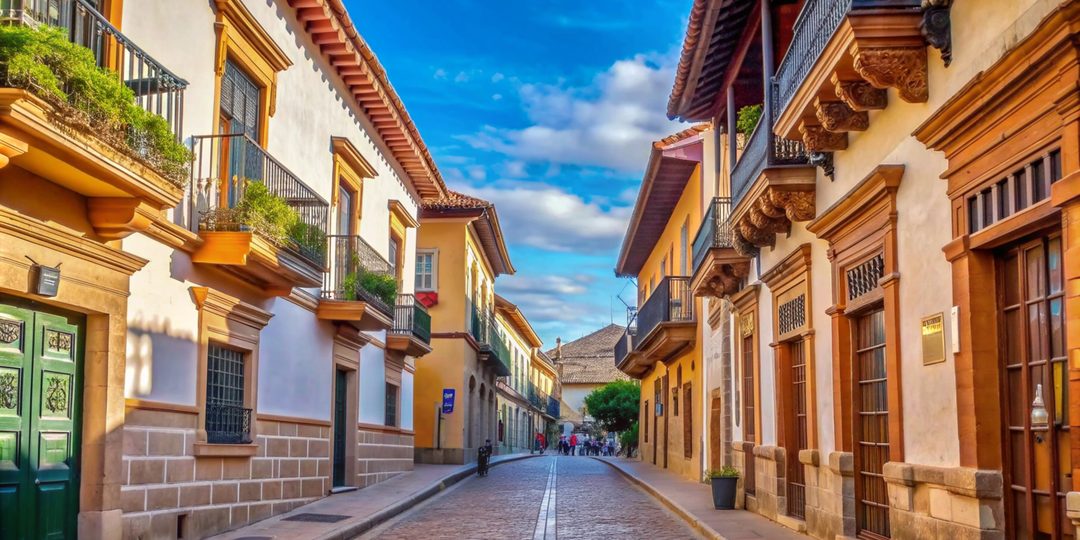
From the colonial splendor of Granada, one of the oldest cities founded by Europeans in the Americas, to León's colossal cathedral and the volcanic slopes of Cerro Negro, Nicaragua rewards visitors who venture past the beaten path. Ometepe Island and the Corn Islands on the Caribbean coast add a wilder, quieter edge to a country still finding its place on most travelers' maps.
Made in Nicaragua
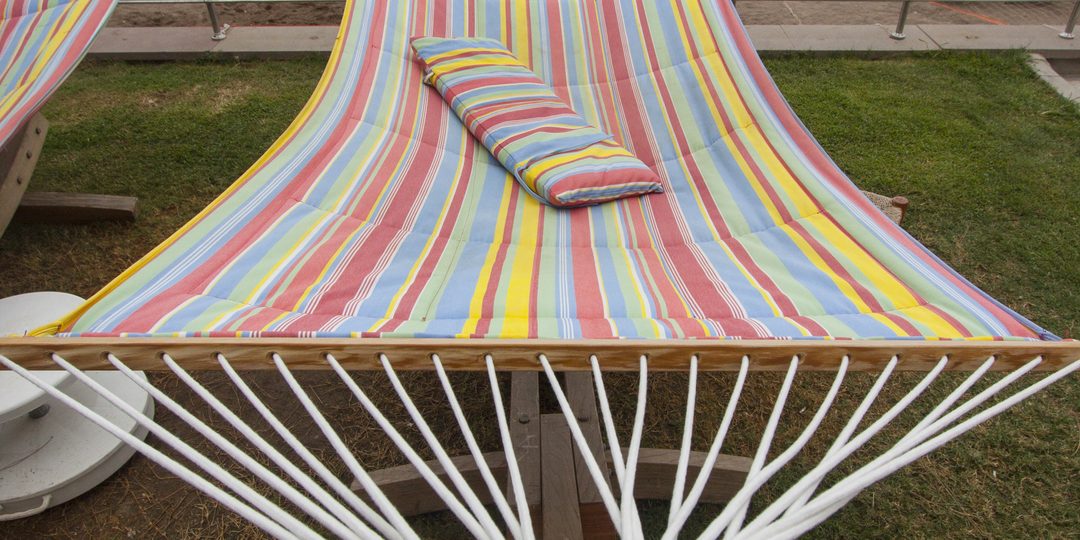
Nicaraguan cigars, rum, and coffee travel the world, from Estelí's storied tobacco farms to Flor de Caña's century old distillery and the hand woven hammocks of Masaya. This space is reserved for a future Local Marketplace Spotlight, featuring Trust Standard certified Nicaraguan businesses once that pillar of the Americas Ecosystem exists. Soon.